What a Tree-Lined Trail Adds to a Working Ranch Vacation
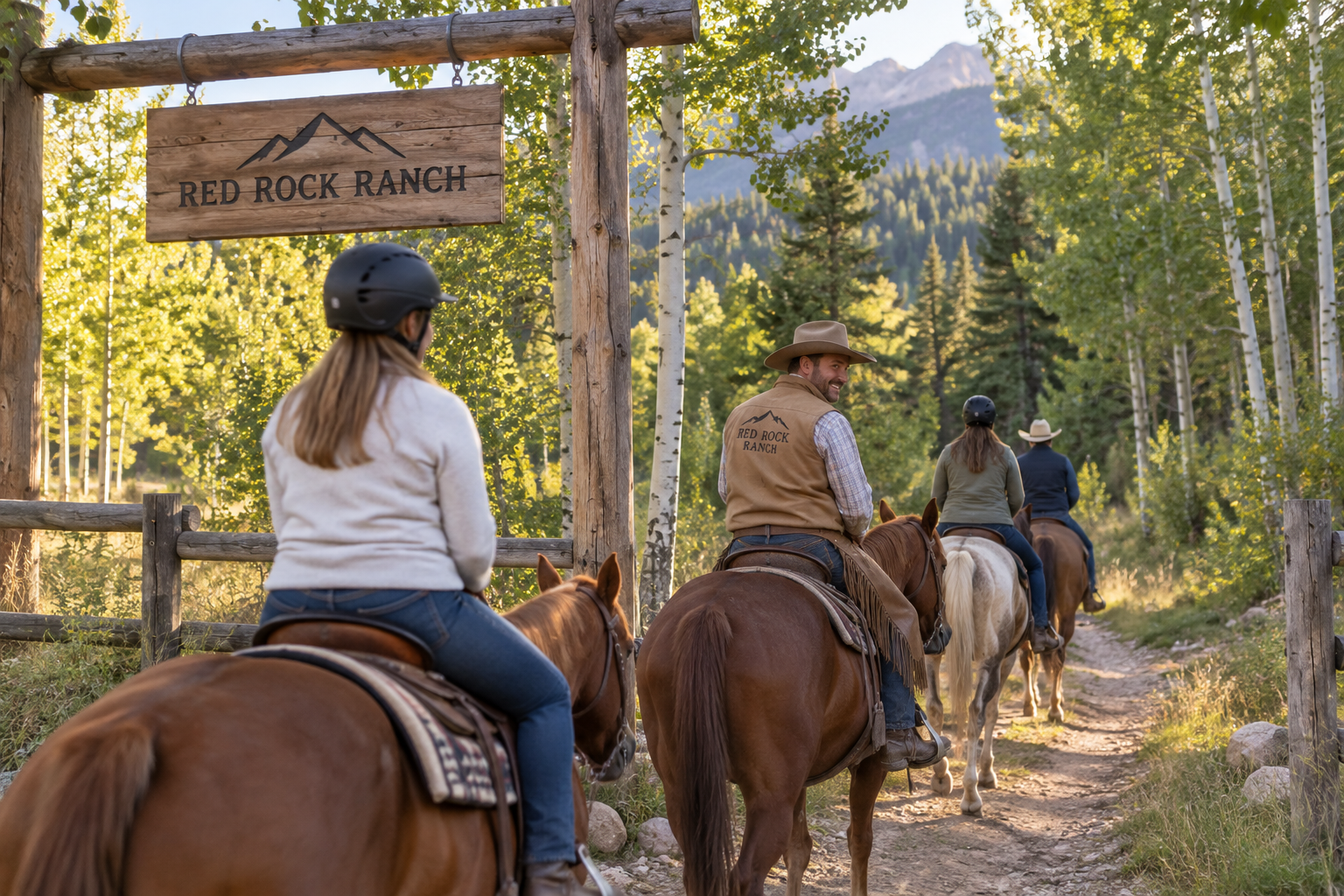 A working ranch vacation with scenic riding trails offers two ways to understand a place: the daily work of the ranch and the landscape that makes that work possible. A guided ride may pass shaded woodland, open pasture, or a water source, but the route and ranch tasks vary. Look for a property whose riding terrain interests you, ask what work guests can actually join, and follow the guide’s trail rules.
Notice how a trail moves through the landscape
A path along a tree line can feel cooler and more enclosed than a stretch of open grazing land. On a guided ride, notice where the vegetation changes and where the ground looks firmer or wetter. A tree may mark a stream corridor, a sheltered slope, or a property boundary, but appearance alone does not tell the full story. Ask your guide about the land’s history instead of assuming every wooded patch is untouched wilderness.
The setting may change within one ride. Some ranches have broad grasslands with few trees; others are near forest, foothills, or river valleys. Ask for examples of the actual guest routes, their length, and the terrain. A beautiful photograph from one season may show conditions unlike those on your travel dates.
See how the work shapes the ride
A working ranch exists to run a ranch, so guest participation depends on real tasks and the staff’s judgment. Some stays may let appropriately experienced visitors help move or sort cattle. Others put more emphasis on observing chores, learning from wranglers, and taking guided trail rides. The working ranch vacations with scenic riding trails listings provide a way to explore properties; confirm the specific activities directly before booking.
Ask whether the ride is a scenic outing or part of a livestock task. Those experiences can have different pace, duration, and riding requirements. Tell the ranch about your riding experience honestly. A quiet route through trees is still a horseback ride, and it deserves attention to footing, spacing, and the guide’s directions.
| On the route | What to ask the guide | Why it matters |
|---|---|---|
| Shaded trees | Which species or land uses explain this stand? | Adds context without guessing from a photograph. |
| Open pasture | Is livestock grazing here today? | Connects scenery to current ranch work. |
| Stream or wet ground | What route keeps horses on firm footing? | Helps protect the trail and horse. |
Practice good trail manners wherever you ride
Stay on the route your guide uses, avoid cutting switchbacks, and give other users space. Trail access rules differ between private ranch land and public parks. The National Park Service’s horse-use guidance for Redwood National and State Parks is one specific example: it identifies routes where horses are allowed and asks riders to follow park rules. It is useful evidence that access is place-specific, not permission to ride anywhere a trail appears.
On a ranch, the wrangler decides which gates to use, where to stop, and whether weather has changed the route. Do not handle a gate, approach livestock, or leave the group unless invited. If you want to identify trees or photograph a habitat, ask for a safe stopping point; do not distract yourself while controlling a horse.
Choose a working ranch vacation for the experience you want
Use Ranchweb working ranch vacations to build a shortlist, then ask each property for a sample daily schedule. Compare ride length, the share of the day devoted to real ranch tasks, instruction for new riders, and the kind of terrain guests normally cross. Ask whether a guide can explain local trees, grazing, and water use if natural history matters to you.
Conclusion
The richest ranch ride is more than a view from the saddle. It offers a chance to observe how the land, horses, people, and daily work connect. Select a ranch whose current program matches your abilities and curiosity, and treat each route as a place to learn and care for.
Frequently Asked Questions
Are all working ranch rides through forests?
No. Terrain ranges from open pasture to wooded foothills and river corridors. Ask the property for current guest routes rather than relying on a category label.
Can a beginner join a working ranch vacation?
Some properties welcome beginners, but hands-on livestock work may call for more experience. Describe your riding ability and ask what activities are appropriate.
May I stop a ride to photograph trees or wildlife?
Ask the guide to choose a safe place and time. Remain attentive to your horse and keep a respectful distance from animals.
Do public park horse rules apply to a private ranch?
No. Park guidance describes that park. Follow the ranch’s rules on private land and check the relevant land manager’s rules for any public route used on your trip.
What should I ask about trails before booking?
Ask about terrain, usual ride length, seasonal conditions, group pace, and whether rides are scenic outings or part of ranch work. Confirm what is available on your dates.